

PDRN skincare is everywhere in K-beauty right now, often described as “salmon DNA” skincare. The trend sounds futuristic, but the useful question is simpler: what can a topical PDRN serum realistically do for mature skin—and what is still marketing?
Here is the evidence-aware version for women over 40, including how topical products differ from in-clinic polynucleotide treatments and what to check before you buy.
What Is PDRN in Skincare?
PDRN stands for polydeoxyribonucleotide. It is made from purified DNA fragments, traditionally sourced from salmon or trout. “Salmon DNA” is convenient shorthand, not a description of raw DNA being applied to your face.
PDRN has a longer history in medical research, particularly wound-repair settings. That background is interesting, but it does not automatically prove that every cosmetic serum can reproduce the effects of a medical product. Source, fragment size, concentration, formulation and delivery all matter.
PDRN vs. Polynucleotides: They Are Not Interchangeable
PDRN and PN (polynucleotides) are related terms, but they are not always used consistently. Much of the aesthetic literature involves injectable PN or PDRN treatments. Those results should not be used as proof that an over-the-counter topical serum will perform the same way.
If you are considering an injectable treatment, see a properly licensed medical professional. A serum, cosmetic “spicule” product and in-clinic injection are different products with different risk profiles.
What Does the Research Actually Show?
The research is promising, but the strongest consumer takeaway is still modest:
- Topical evidence is early and formulation-specific. A 2025 study found improved barrier measurements after two weeks with one low-molecular-weight topical PDRN formulation on experimentally irritated skin. That is encouraging, but it is not universal proof of wrinkle reversal or facial-volume restoration.
- Injection evidence cannot be transferred to serums. Reviews of injectable polynucleotides report potential improvements in hydration, elasticity and texture, while also noting that studies are limited and heterogeneous.
- Combination studies are hard to interpret. When PDRN is paired with niacinamide, vitamin C, hyaluronic acid or a delivery device, the result cannot be credited to PDRN alone.
For readers who want the technical detail, see the 2025 topical PDRN study and this review of injectable polynucleotides in aesthetic medicine.
What PDRN May Do for Skin Over 40
A well-formulated serum may support hydration, comfort and the look of a healthier skin barrier. Any plumper appearance may also come from familiar supporting ingredients such as glycerin, hyaluronic acid, peptides or niacinamide.
I would not rely on a topical PDRN product to restore lost facial volume, “tell cells to act young,” replace retinoids or deliver clinic-level results. For the biggest long-term payoff, keep the basics in place: a gentle cleanser, moisturizer, evidence-based actives you tolerate and a daily sunscreen for mature skin.
How to Use a PDRN Serum
- Patch test first, especially if you have reactive skin or a known fish allergy.
- Apply after cleansing and before a heavier moisturizer, following the product directions.
- Start a few nights per week if the formula also contains exfoliating or stimulating ingredients.
- Do not apply over broken or freshly treated skin unless your clinician specifically approves that product.
- Use sunscreen every morning. No serum replaces UV protection.
If you are already building a routine, my guide to skincare ingredients over 40 can help you decide where PDRN fits without overcrowding your shelf.
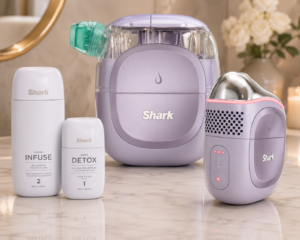
A practical note: Gua sha may feel soothing and temporarily reduce puffiness, but it does not make a cosmetic ingredient penetrate like an injection. Be cautious with microcurrent or spicule-style products, and follow each manufacturer’s directions rather than stacking devices automatically.
My PDRN Product Shortlist
Not all PDRN products use the same source or formula. Some “plant PDRN” products use plant-derived DNA fragments or brand-specific complexes, so check the ingredient list and the brand’s explanation rather than assuming every product is equivalent.
| Product | Why It Stands Out | Best Fit |
| Medicube PDRN Pink Peptide Serum | Lightweight texture with peptides and hydrating support. | Layering under makeup |
| VT Cosmetics PDRN 100 Essence | Milky, nourishing feel with a plant-derived DNA complex. | Dry or comfort-focused routines |
| Anua PDRN Hyaluronic Acid Capsule 100 | Hydration-forward formula with multiple forms of hyaluronic acid. | Dehydrated skin |
| Rejuran Healer Turnover Ampoule | Cosmetic ampoule from a brand associated with professional PN/PDRN products; the ampoule should still be judged as a topical cosmetic. | Targeted routine step |
| IOPE PDRN Caffeine Shot | Plant-derived DNA complex paired with caffeine. | Morning routines |
Two Products I Have Paired
The VT Cosmetics Reedle Shot can feel more stimulating than a standard serum, while the Medicube Pink Peptide Serum is the hydration-focused step. I would introduce them one at a time and avoid promising “professional-level” penetration from an at-home stack.
If you prefer a device-centered routine, the Shark Facial Pro is another option to research, but check its instructions and contraindications before combining it with active or spicule-style formulas.
How to Choose a PDRN Product
- Look for a complete ingredient list and clear source information.
- Choose the whole formula for your skin type, not the PDRN headline alone.
- Treat undisclosed percentages and dramatic “cell regeneration” claims cautiously.
- Prioritize return policies and reputable retailers when trying a new formula.
- Stop if you develop persistent burning, swelling or a rash.
The Bottom Line
PDRN is an interesting skincare category, not a proven fountain of youth. Early topical research suggests potential barrier and hydration benefits, while much of the more dramatic aesthetic evidence comes from injectable treatments. For mature skin, I see a PDRN serum as an optional supporting step—not a replacement for sunscreen, a solid moisturizer or better-established active ingredients.
This article is for general education and is not medical advice. Ask a qualified clinician about persistent skin concerns, allergies, post-procedure care or injectable treatments.